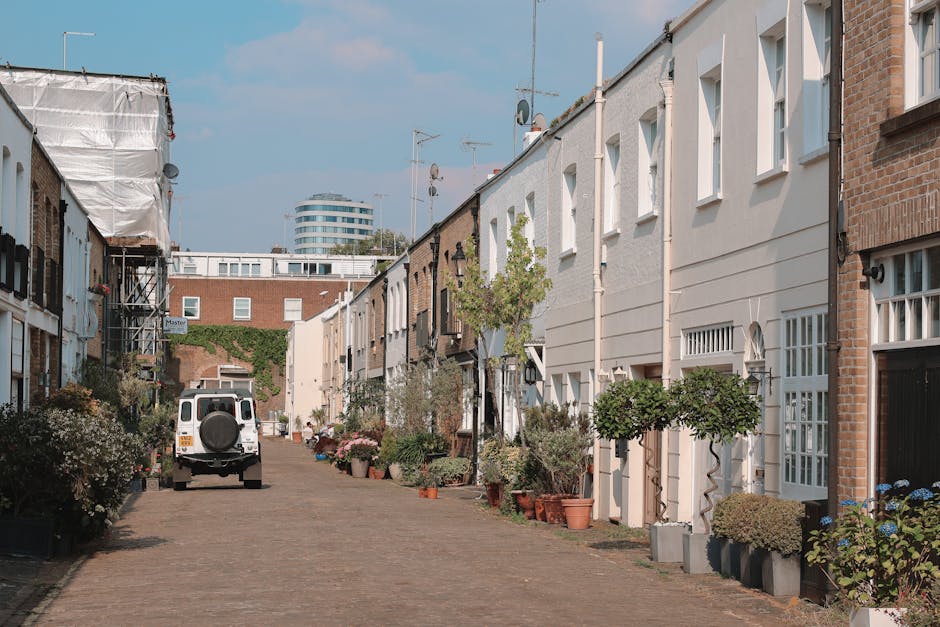
Gardeners for tight access properties in Tottenham

If your garden is tucked behind a narrow passage, split across levels, or squeezed between side return walls, you already know the awkward bit: the work is often simple, but getting the tools in and the waste out is not. That is exactly where gardeners for tight access properties in Tottenham come into their own. They are used to working in spaces where a wheelbarrow barely fits, a mower needs careful handling, and every trip through the house or alley has to be planned properly.
In Tottenham, that challenge is common enough. Terraced homes, narrow side access, shared entrances, and compact rear gardens all create a different kind of gardening job. This guide explains how tight-access gardening works, what to expect, which services are most useful, and how to choose the right team without making life harder than it needs to be. To be fair, the difference between a smooth visit and a frustrating one often comes down to planning.
Why Gardeners for tight access properties in Tottenham Matters
Tight access changes everything. A normal garden job might involve bringing in a mower, secateurs, hedge trimmers, a few bags of compost, and some waste sacks. In a property with a narrow side gate, basement access, or a courtyard reached only through the house, that same job becomes a logistics exercise. The garden still needs attention, but the route in and out needs just as much thought as the planting or pruning itself.
This matters because rushed handling can damage fences, paving, paintwork, doors, or the garden itself. It can also turn a straightforward maintenance visit into an exhausting one. A good team does not simply arrive and start cutting. They look at how to move safely, how to protect the property, how to keep noise and mess down, and how to leave the place tidy at the end.
In practical terms, tight-access gardening is about working smarter. That might mean using compact tools, breaking waste down on-site, moving debris in smaller loads, or changing the order of tasks so the job runs smoothly. It is not fancy. It is just careful. And careful is what saves you time, stress, and the kind of accidental scuff marks nobody wants to explain later.
For Tottenham homeowners, landlords, and tenants, this often links closely with broader upkeep too. If a small garden has become overgrown, a garden clearance visit may be the quickest way to reset it. If the garden just needs routine attention, garden maintenance is usually the smarter long-term option.
How Gardeners for tight access properties in Tottenham Works
The process is usually more methodical than people expect. A good gardener will start with access, not with the plants. That sounds obvious, but it is easy to skip when you are eager to get the place sorted. First comes a look at entry points, narrow passages, floor surfaces, gate widths, stairs, and anywhere a tool or bag might catch. Then comes the job plan.
In a tight-access property, the team may choose smaller equipment, hand tools instead of bulkier machines, or a staged approach that keeps the route clear as they work. For example, hedge cuttings might be bagged in smaller batches rather than piled high. Lawn work might be done in sections so clippings do not end up blocking a walkway. A thorny shrub removal may be tackled in pieces rather than one large cut that is awkward to carry.
Sometimes, the biggest challenge is simply waste removal. If you cannot wheel everything out in one go, the crew needs a sensible system. That is why services like lawn mowing and hedge trimming may sound simple but still require tight-access know-how. Even a neat one-off job can turn clumsy if the access plan is poor.
Where branches or woody growth are involved, a team may also combine this with tree lopping and removal if it is suitable for the property and the condition of the tree. That work needs particular care in restricted spaces because limbs and arisings can be awkward to move without scraping walls or damaging nearby features.
In other words, the work is not just gardening. It is gardening plus problem-solving. That is the real skill.
Key Benefits and Practical Advantages
Choosing gardeners who understand tight access brings some very down-to-earth benefits. Nothing dramatic. Just the sort of improvements you notice immediately.
- Less disruption: careful planning means less noise, less mess, and fewer trips through narrow spaces.
- Lower risk of damage: good access handling reduces the chance of scuffed walls, broken pots, or crushed plants.
- Faster turnaround: a prepared crew works more efficiently, even if the access is awkward.
- Better finishing quality: when the team is not wrestling with logistics, they can focus more on the actual gardening.
- More realistic advice: experienced gardeners can tell you what is manageable, what needs staging, and what will simply be too much for the space.
There is also a quieter benefit: peace of mind. If you have ever watched someone drag bulky kit through a narrow hallway, you will know the feeling. You spend the whole time worrying about the laminate floor, the skirting board, the cat, the children, the vase by the stairs... honestly, it becomes a completely different afternoon.
For some homes, access-friendly gardening also opens up better design choices. If the team understands the constraints from the start, they can recommend layouts, planting choices, or materials that are easier to maintain later. If you are thinking beyond basic upkeep, the broader options on landscape gardening and landscaping can be especially useful for compact or awkward plots.
Who This Is For and When It Makes Sense
This service suits a surprisingly wide group of people. The obvious ones are homeowners with narrow side access, but there are many others.
- Terraced homeowners with rear gardens reached only through the house or a slim passage.
- Landlords who need a garden brought under control before new tenants move in.
- Older residents who want the garden maintained without heavy lifting or awkward trips outside.
- Busy families who need fast, tidy work with minimal disruption.
- Flat owners with shared access where equipment movement needs to be respectful and efficient.
- Anyone with an overgrown space that has become difficult to reach, difficult to use, or frankly a bit intimidating.
It makes sense when access is the main obstacle, not the garden itself. You may only need a tidy-up. Or you may need something more regular. If the garden keeps slipping back into disorder because access is such a faff, scheduled care through garden maintenance can be a better fit than one-off rescue jobs.
There is no rule saying you need a huge garden to need this kind of help. Tiny gardens can be the hardest. A compact Tottenham courtyard with a narrow gate and raised beds can be more awkward than a larger open plot. Funny how that works.
Step-by-Step Guidance
If you are booking gardeners for a tight-access property, the process tends to work best when you break it down into a few clear stages.
- Describe the access honestly. Mention narrow gates, internal routes, steps, shared entryways, and anything fragile or uneven. If a mower cannot fit, say so. No one benefits from guessing.
- Explain the garden condition. Is it a light tidy-up, a seasonal cut, or a full clearance? Are there brambles, large branches, or heavy green waste? The more accurate the picture, the better the plan.
- Ask how equipment will be brought in. Compact tools, hand-carry methods, and smaller loads are often the answer. A sensible team should be able to explain their approach without making it sound like rocket science.
- Check waste handling. In tight access jobs, waste removal matters more than people expect. Ask whether cuttings will be bagged, stacked, chipped, or removed in stages. If you have a lot of debris, a structured garden clearance plan may be the easiest route.
- Protect indoor and outdoor surfaces. A good crew will be mindful of floors, thresholds, paths, and walls. Sometimes that means using coverings or changing the route they take. Small thing, big difference.
- Agree the scope before work begins. The more specific you are, the less likely you are to be surprised by what is included. Ask what is realistic for one visit and what may need a second pass.
- Review the finish. Check that cuttings are removed, access is left clean, and the garden is usable again. You should not have to do a second sweep unless you want to.
That last step sounds obvious, but it matters. In a cramped property, it is easy for one forgotten bag or trampled strip of lawn to spoil the whole result. Bit frustrating, that.
Expert Tips for Better Results
Here is what tends to help most in real jobs, especially around Tottenham homes where access is often the limiting factor.
Keep the route clear before the crew arrives. Move bikes, plant pots, recycling bins, and anything else that narrows the passage. You do not need to clear the whole house, just give the team a clean line of travel.
Tell them about weak points. Loose paving, a sticking gate, steep steps, a soft lawn edge, or a delicate indoor floor covering. These details are boring until someone trips on them. Then they are very important indeed.
Prioritise the main goal. On a tight-access site, the best jobs focus on the biggest visible wins first: regain the path, cut back the worst overgrowth, clear the entry points, and make the garden safe to use again.
Use work that matches the access. Not every garden needs a full overhaul. Sometimes targeted pruning or a seasonal mow is enough. If a surface is worn or difficult to maintain, a feature like decking may be part of a longer-term solution, and the page on decking services can help you understand that option more clearly.
Ask about recycling and disposal. If the garden produces a lot of waste, it is worth checking how green material will be handled. A responsible approach to recycling and sustainability is not just a nice extra; it often keeps the whole job more organised.
Think in seasons. Spring growth and late-summer cutbacks can both create sudden pressure. A little maintenance earlier in the year can save a lot of hard labour later. Truth be told, that is one of the easiest wins in gardening.
And one more, because it saves hassle: take a quick photo or two before the visit if the access is unusual. It helps everyone understand the layout without a long phone explanation. Not glamorous, but effective.
Common Mistakes to Avoid
Most access problems are manageable. The trouble starts when people underestimate them.
- Assuming standard equipment will fit. A regular mower or large waste cart may be useless in a narrow route.
- Not mentioning access details until the day. That can throw the whole schedule off and may leave the team underprepared.
- Trying to squeeze too much into one visit. Overpromising is the quickest route to a rushed finish.
- Ignoring waste volume. If the job creates a mountain of clippings, the exit plan is half the job.
- Forgetting shared access etiquette. In flats or terraces, neighbours and shared hallways need respect and care.
- Choosing only on price. The cheapest option can become expensive if the crew has to stop, improvise, or damage something. Not ideal.
There is a bigger mistake too: treating tight-access work like a standard garden visit. It is not. The garden may be small, but the planning is often more demanding. The good news? Once that is understood, the rest becomes a lot easier.
Tools, Resources and Recommendations
You do not need specialist jargon to understand the equipment used in access-restricted jobs. The main principle is simple: smaller, lighter, more controllable tools usually work better.
| Approach | Best for | Why it helps in tight access |
|---|---|---|
| Hand tools | Pruning, edging, detailed work | Easy to carry and safer in narrow routes |
| Compact cutting equipment | Small lawns, light trimming | Less bulky than full-size machinery |
| Bagged waste removal | Mixed green waste, cuttings, light clearance | Reduces dragging large loads through the property |
| Section-by-section working | Overgrown or awkward gardens | Keeps routes clear and makes progress manageable |
| Protective coverings | Indoor routes, delicate surfaces, thresholds | Helps prevent scuffs and dirt transfer |
For most people, the best resource is not a tool at all. It is a clear conversation. Still, it helps to use the website pages that explain the company's wider service approach and practical standards. The services overview is useful if you want to understand how different garden jobs fit together, while the pricing and quotes page can help you prepare sensible questions before booking.
If you are comparing providers, it is also worth looking at how they talk about safety and trust. A proper insurance and safety policy, along with a clear health and safety policy, is a good sign that they take awkward sites seriously.
Law, Compliance, Standards, or Best Practice
For tight-access gardening, the most relevant issues are usually safety, insurance, property care, and responsible waste handling. Exact legal duties can vary depending on the property type, the work involved, and whether the site is domestic or shared. So it is best to stay practical and cautious here.
At a minimum, good practice usually means:
- working carefully around occupants, neighbours, and shared entrances;
- using suitable equipment for the space rather than forcing oversized tools into it;
- protecting surfaces and avoiding avoidable damage;
- disposing of green waste responsibly;
- being honest about what can and cannot be completed safely in one visit.
If tree work is involved, especially larger cuts or removals, the margin for error gets smaller. In those cases, tidy planning and a cautious approach matter even more. A site that feels cramped is often not the place for improvisation. Better to slow down and do it properly.
It is also sensible to read the business pages that explain how the company handles trust-related matters, including its about us page for background and its terms and conditions for booking expectations. If privacy matters to you, the privacy policy is worth a look too. Simple, but reassuring.
Options, Methods, or Comparison Table
Not every access challenge needs the same answer. The right method depends on how tight the access is, how much work is needed, and whether you are trying to maintain, clear, or redesign the space.
| Option | Best when | Pros | Limitations |
|---|---|---|---|
| Light maintenance visit | The garden is generally tidy but needs routine care | Quick, efficient, lower disruption | Not suitable for heavy overgrowth |
| Garden clearance | The space has become cluttered, overgrown, or difficult to use | Resets the garden and makes later maintenance easier | More waste, more planning, may take longer |
| Targeted pruning and trimming | Access is tight but the main issue is boundary or plant overgrowth | Focused, tidy, often highly effective | Won't solve broader neglect on its own |
| Landscape improvement | You want a longer-term layout that suits the space better | Can reduce future maintenance headaches | Usually takes more planning and budget |
For many Tottenham properties, the best answer is actually a combination. A clearance first, then maintenance after that. Or selective pruning with a small layout change later on. Small, sensible steps usually beat one dramatic overhaul. Gardens do not care about grand plans; they respond to steady work.
Case Study or Real-World Example
Imagine a terraced property in Tottenham with rear access only through the house. The garden is narrow, the path inside has a couple of awkward turns, and the rear space has been left alone for months. Nothing unusual, just one of those jobs that slowly becomes a burden.
The first step is not cutting anything. It is checking the route. A careful team would identify which tools can be carried safely, where waste can be staged, and which plants or surfaces need protection. Rather than dragging long branches through the full house in one awkward lump, they would likely cut and bag them in smaller pieces. That takes a little longer at the start, but it prevents damage and keeps the property clean.
The final result is not just a tidier garden. It is a more usable one. The path is visible again, the plants are manageable, and future visits become simpler. The owner is left with a space that feels like it belongs to them again, not something they have to avoid looking at. That shift matters more than people think.
And yes, sometimes the biggest win is just being able to open the back door without seeing a miniature jungle. It happens.
Practical Checklist
Use this checklist before booking or before the team arrives.
- Measure or estimate gate, passage, and doorway widths.
- Note any steps, slopes, or uneven paving.
- Tell the gardener whether access is via the house, a side path, or a shared entry.
- Remove obstacles such as bins, bikes, and loose furniture.
- Identify fragile surfaces, narrow corners, or indoor protection needs.
- Say whether the job is maintenance, clearance, trimming, or a mix.
- Ask how waste will be removed from the property.
- Check that the provider has sensible safety and insurance arrangements.
- Agree the scope of the visit before work starts.
- Confirm what a finished job should look like, especially in a tight-access setting.
Expert summary: The best tight-access gardening jobs are not rushed, loud, or overcomplicated. They are careful, tidy, and planned around the route in and out just as much as the garden itself.
Get a free quote today and see how much you can save.
Conclusion
Gardeners for tight access properties in Tottenham are there to solve a very specific problem: how to keep a garden looking good when the access is anything but easy. Once that is handled properly, the rest becomes much more straightforward. The work is cleaner, the property is better protected, and the garden becomes usable again instead of awkward and half-ignored.
If you are weighing up a one-off tidy, a bigger clearance, or a more regular maintenance plan, start with the access details and build from there. That small bit of honesty at the beginning saves a lot of stress later. And if the garden has been bothering you for a while, that first sensible step is often the hardest part. After that, things have a way of settling into place.
When the space is tight, good gardening is not about forcing things. It is about making the right move at the right time, and leaving the place better than you found it. That's the kind of help most people really want.
Frequently Asked Questions
What do gardeners for tight access properties in Tottenham actually do differently?
They plan the job around access first. That usually means using smaller tools, carrying waste in manageable loads, protecting surfaces, and sequencing the work so narrow routes stay clear.
Can a gardener still work if the only access is through the house?
Often, yes, if the route is safe and agreed in advance. The key is to be honest about the route, any fragile flooring, and how waste will be moved out. Some jobs are perfectly workable with care.
Is tight-access gardening more expensive?
It can be, depending on the amount of extra labour, waste handling, and time involved. That said, a well-planned visit can still be very good value because it avoids damage and reduces repeat work.
What kind of jobs are best suited to a tight-access property?
Regular maintenance, hedge trimming, lawn mowing, clearance work, and selective pruning are common. Larger redesigns can also work, but they usually need more planning and may need to happen in stages.
Do I need to clear the access route before the visit?
Yes, if you can. Moving bins, bikes, garden furniture, and other obstacles makes the work easier and safer. Even a small clear path can make a big difference.
How do I know if my garden is too awkward for standard equipment?
If a gate is narrow, turns are sharp, or the route includes steps or indoor passage, standard equipment may be hard to use. A good provider should be able to advise once they understand the layout.
What should I ask before booking a tight-access garden job?
Ask how the team will access the garden, what equipment they will use, how waste will be removed, what is included in the visit, and whether the job is better handled as maintenance or as a clearance.
Can tight-access gardens still be improved, not just maintained?
Definitely. Many compact gardens benefit from better layout choices, simpler planting, or hard-wearing features that reduce future hassle. A careful redesign can make the space much easier to live with.
How long does a tight-access garden job usually take?
It depends on the size of the garden, the amount of waste, and how awkward the access is. A smaller space can still take longer than expected if everything has to be moved by hand.
What if I have shared access with neighbours?
That is quite common in Tottenham terraces and flats. It just means the team needs to be considerate, tidy, and careful with timing and movement. It is usually manageable with the right approach.
Should I choose garden clearance or ongoing maintenance?
If the garden is badly overgrown or cluttered, clearance is often the best first step. If the space is already under control but difficult to keep that way, ongoing maintenance usually makes more sense.
How do I get the best quote for a tight-access property?
Give as much detail as you can about the access, the condition of the garden, and the type of work needed. Clear information usually leads to a more accurate quote and fewer surprises on the day.